Batoor

Barat Ali Batoor

Photographer, filmmaker and advocate. 236 photographs in nine bodies of work, from Bamyan and Kabul to the Indian Ocean and Melbourne, 2002 to 2014. The photographs
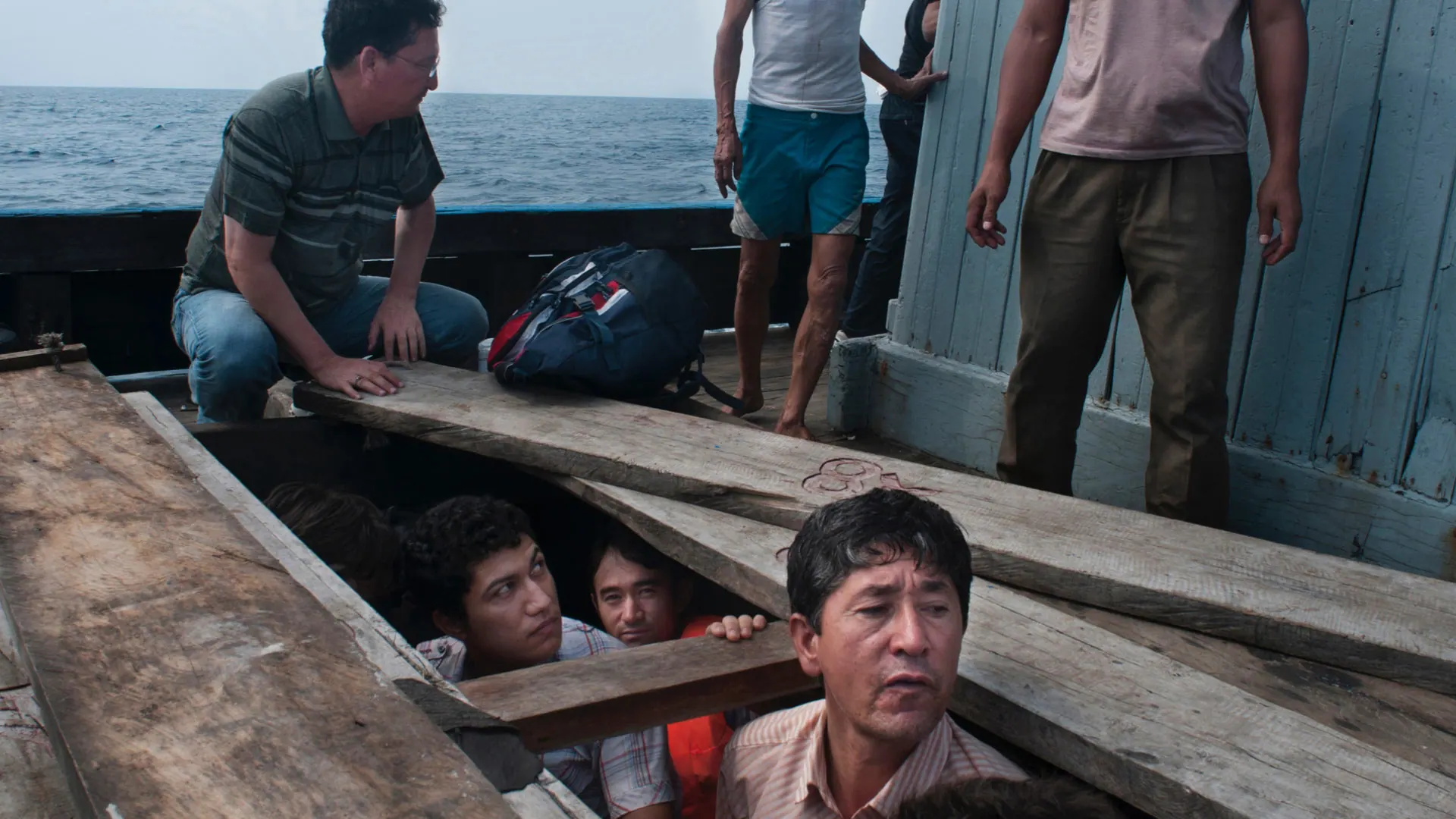
Men look up through an open hatch from below the deck of a wooden fishing boat at sea, others standing above, 2012.

The crossing, photographed from inside it.

Below deck, the Indian Ocean. September 2012. See the photograph

Photographs from the Indian Ocean, September 2012. © Barat Ali Batoor.

Nine bodies of work, 2002 to 2014
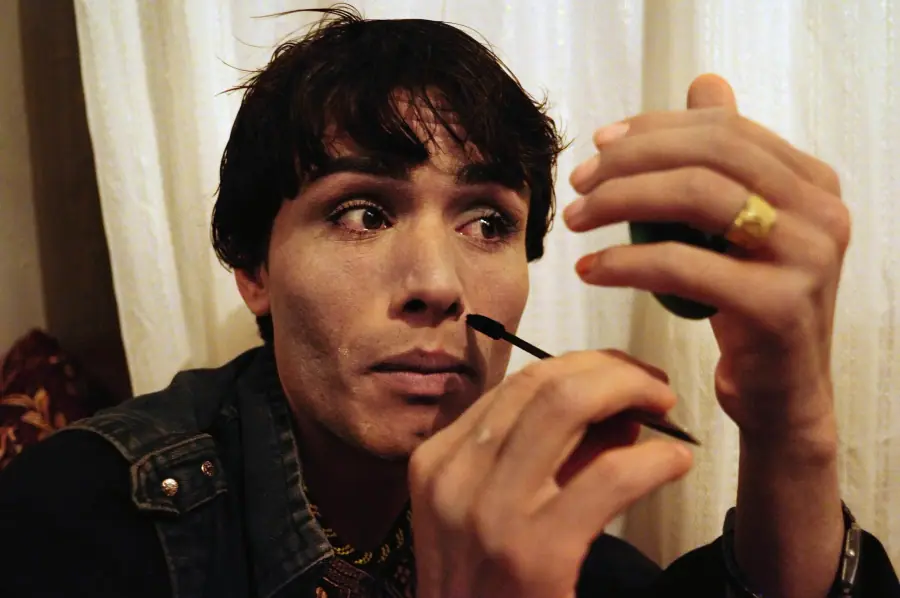
Thailand, Malaysia, Indonesia and the Indian Ocean, 2012. 19 photographs.

Seeking Asylum

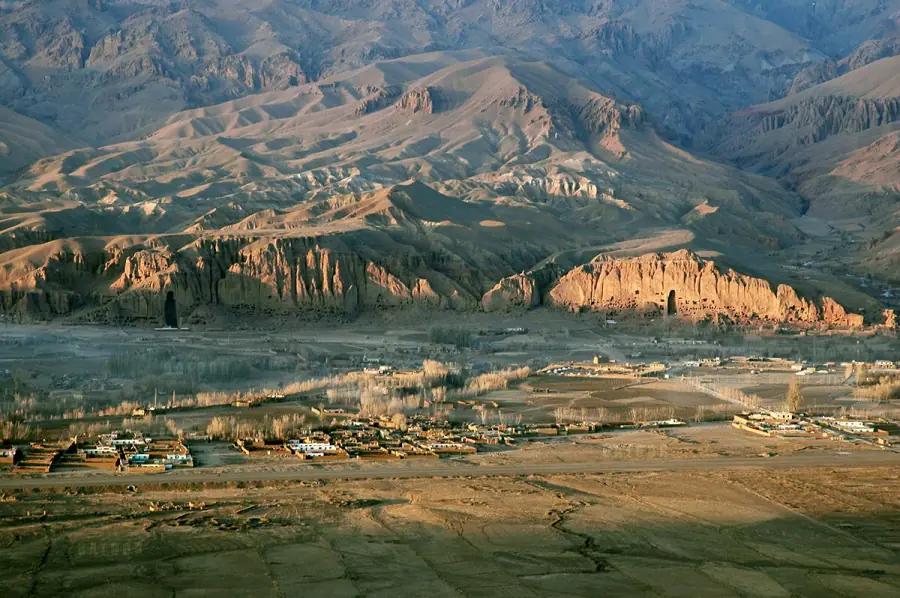
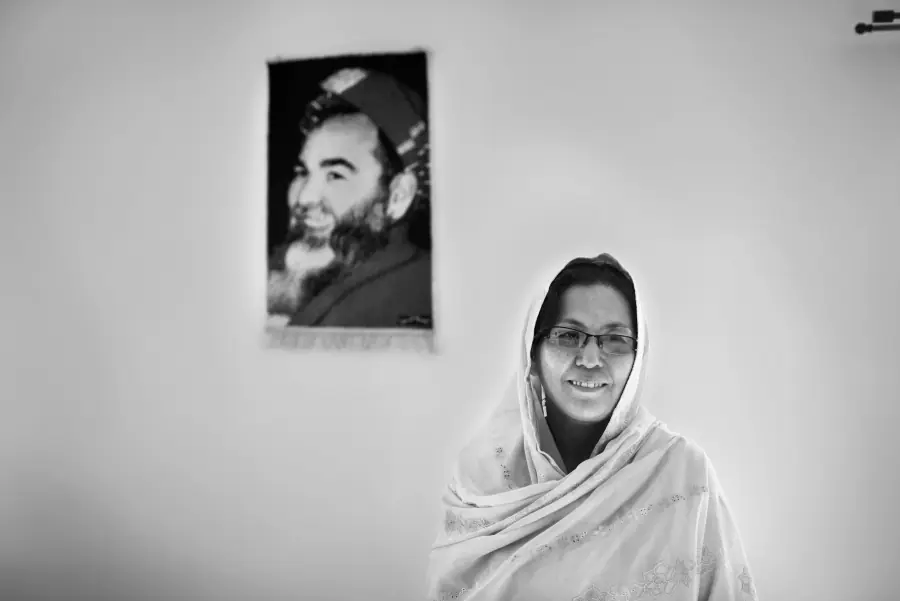
Bamyan and Kabul, 2002 to 2012. 11 photographs.

Afghanistan

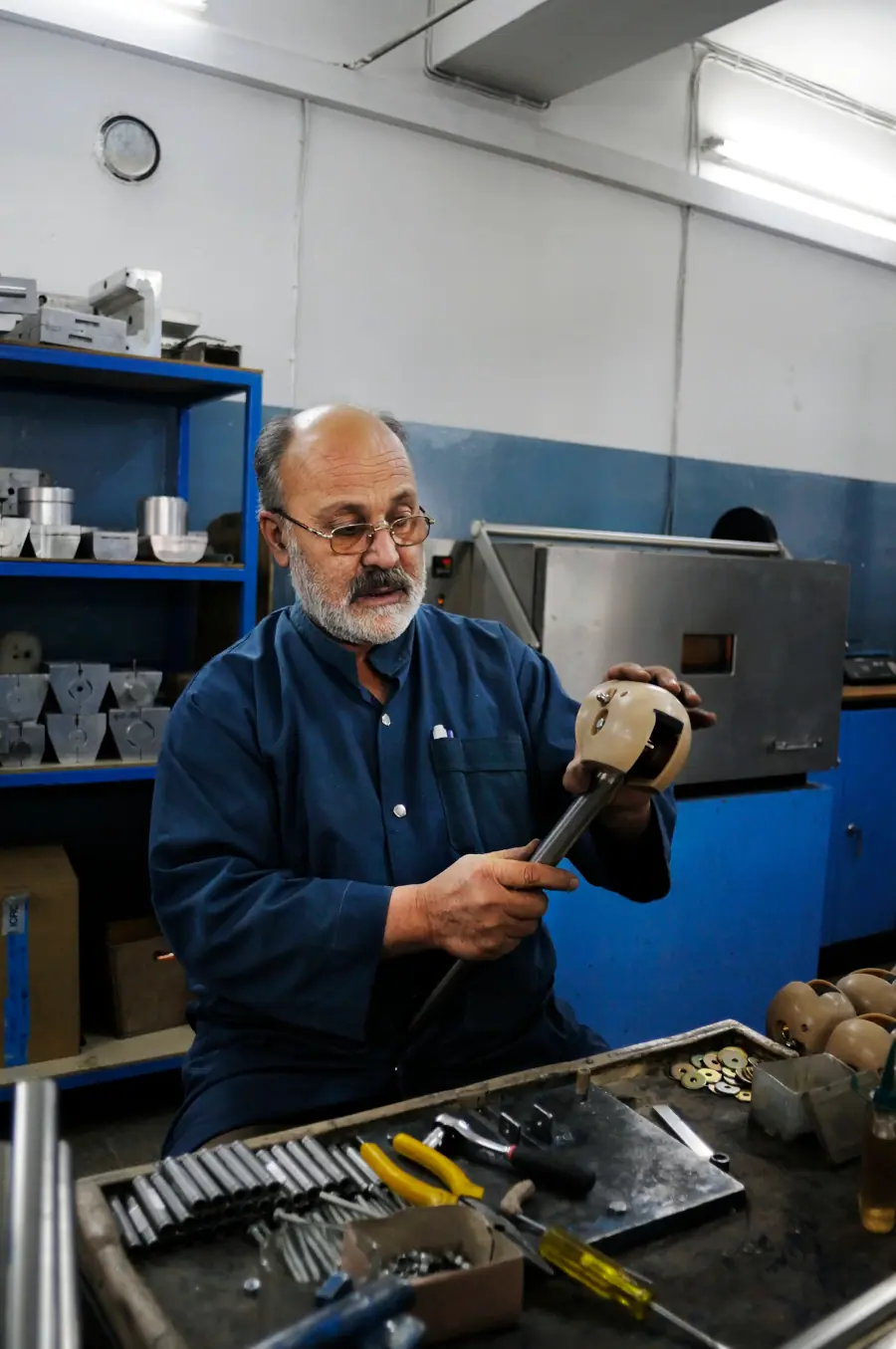
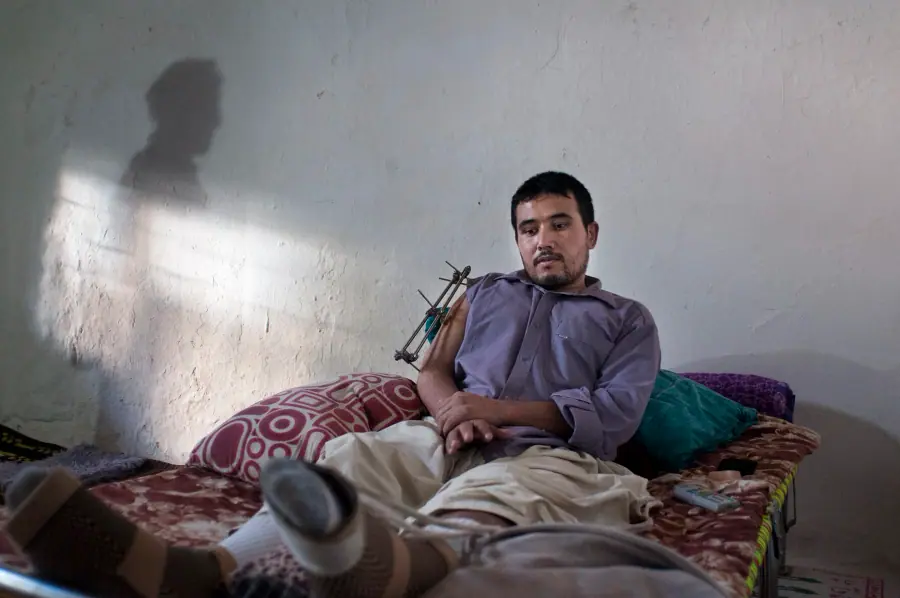
Kabul orthopaedic centre, 2011. 29 photographs.

ICRC

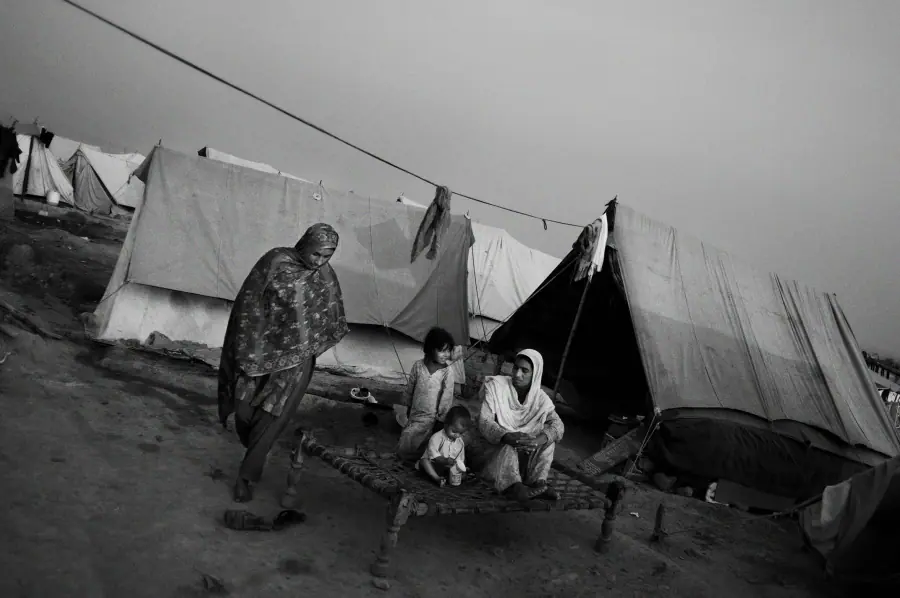
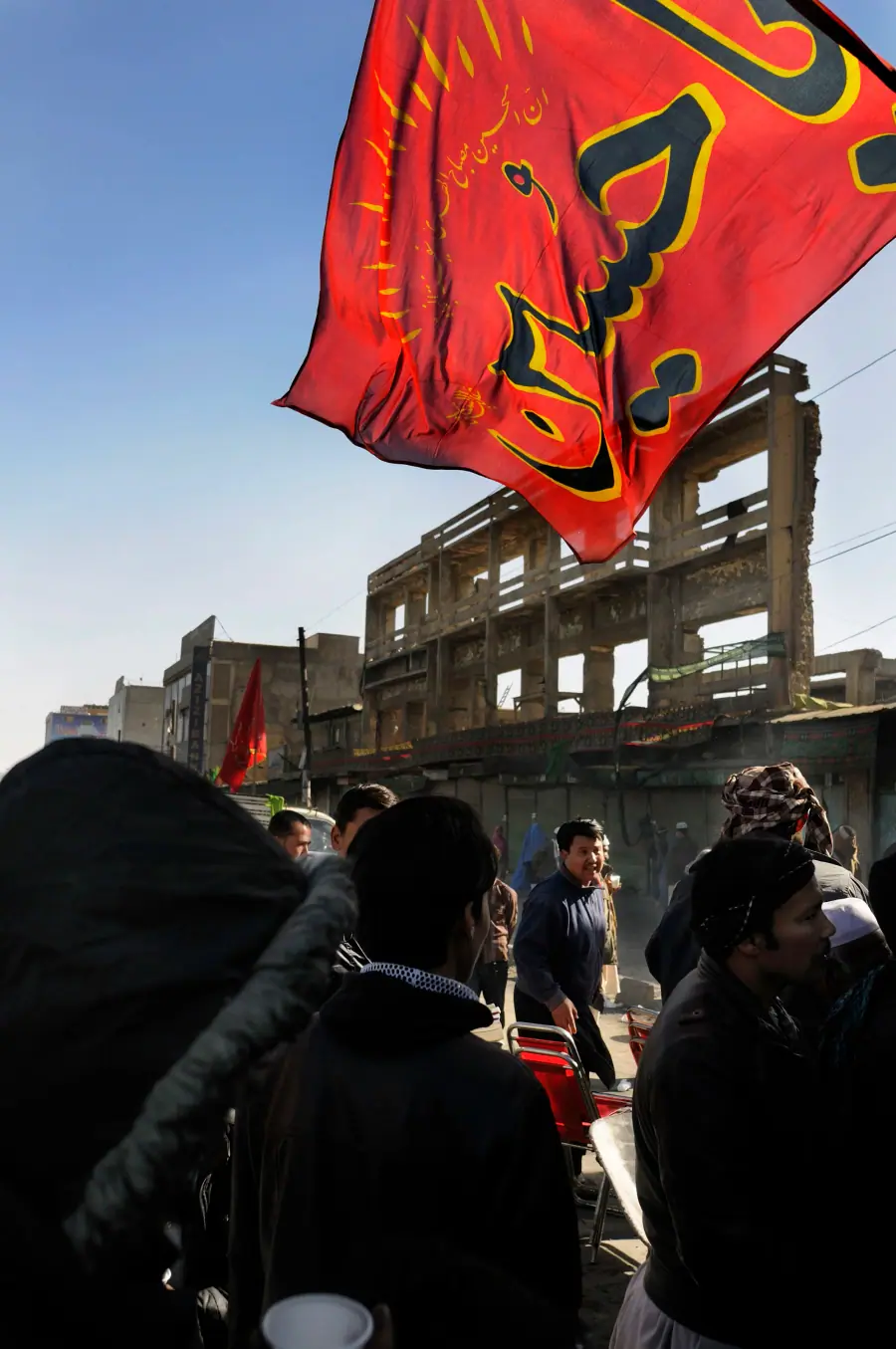
Hazara communities in Afghanistan and Pakistan, 2010 to 2012. 26 photographs.

Ashura

The record

  1. 2013Nikon-Walkley Photo of the Year
  2. 2013Nikon-Walkley Photographic Essay
  3. 2014Communication for Social Change Award
  4. 2021Best Director, Australia
  5. 2025dokleipzig Prize
  6. 2026Highly Commended, Victorian Museums and Galleries Awards

Shown at State Library Victoria, University of South Australia, Western Australian Museum and Footscray Community Arts Centre, and on the TEDxSydney stage in 2014.

Published in The Washington Post, Newsweek, The Wall Street Journal, The Guardian, Stern, India Today, The Global Mail, The Daily Mail and The West Australian.

His TEDxSydney talk has been played 1,079,778 times on TED.com. Watch it. Interviews and reviews since 2013, all on one page.

The crossing, in his own words.

His own photographs from September 2012, in the order he made them, with the words he wrote for each of them. Ninety-three people left for Christmas Island. The boat broke on the rocks of Ujung Kulon. © Barat Ali Batoor.
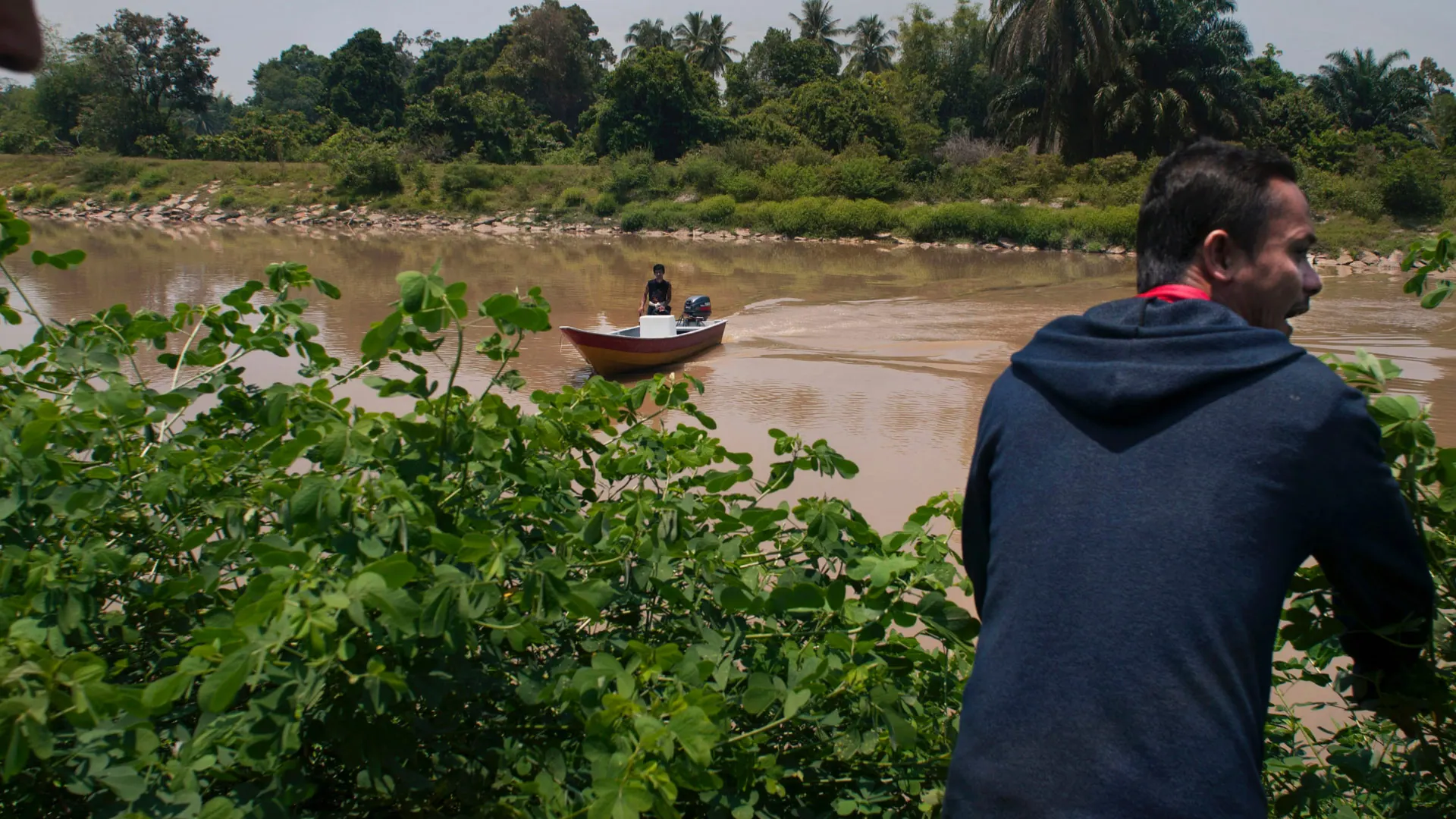
A man in a hooded top watches a small wooden boat cross a wide brown river at the Thailand to Malaysia border, 2012.
The border, Thailand to MalaysiaIt was a desperate decision to leave everything behind. I flew to Thailand and waited for four days to be taken to Malaysia. With three other men seeking asylum, I crossed at the border by boat and was picked up on the other side by Malaysian smugglers. We traveled for five and a half hours by car to Kuala Lumpur, with our heads kept between our knees the whole time to be avoid being seen. I paid $1000 US for this leg of the trip.See the photograph
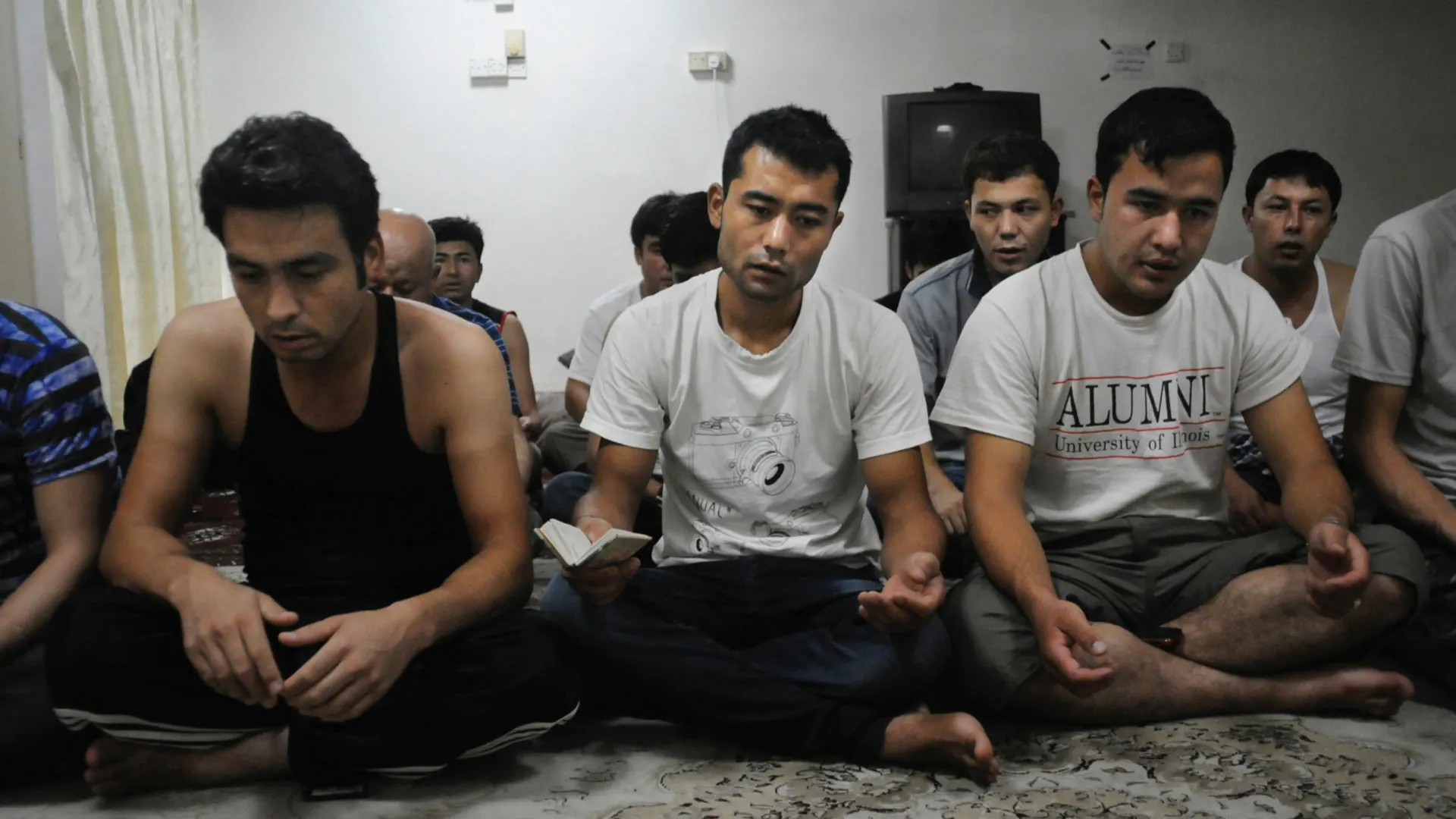
Asylum seekers sitting on the floor of a bare room in Kuala Lumpur, palms turned upward in prayer, 2012.
Kuala LumpurIn Kuala Lumpur we were kept under house arrest for three nights. We couldn’t even look out of the window. Here my fellow asylum seekers pray not to drown or be arrested.See the photograph
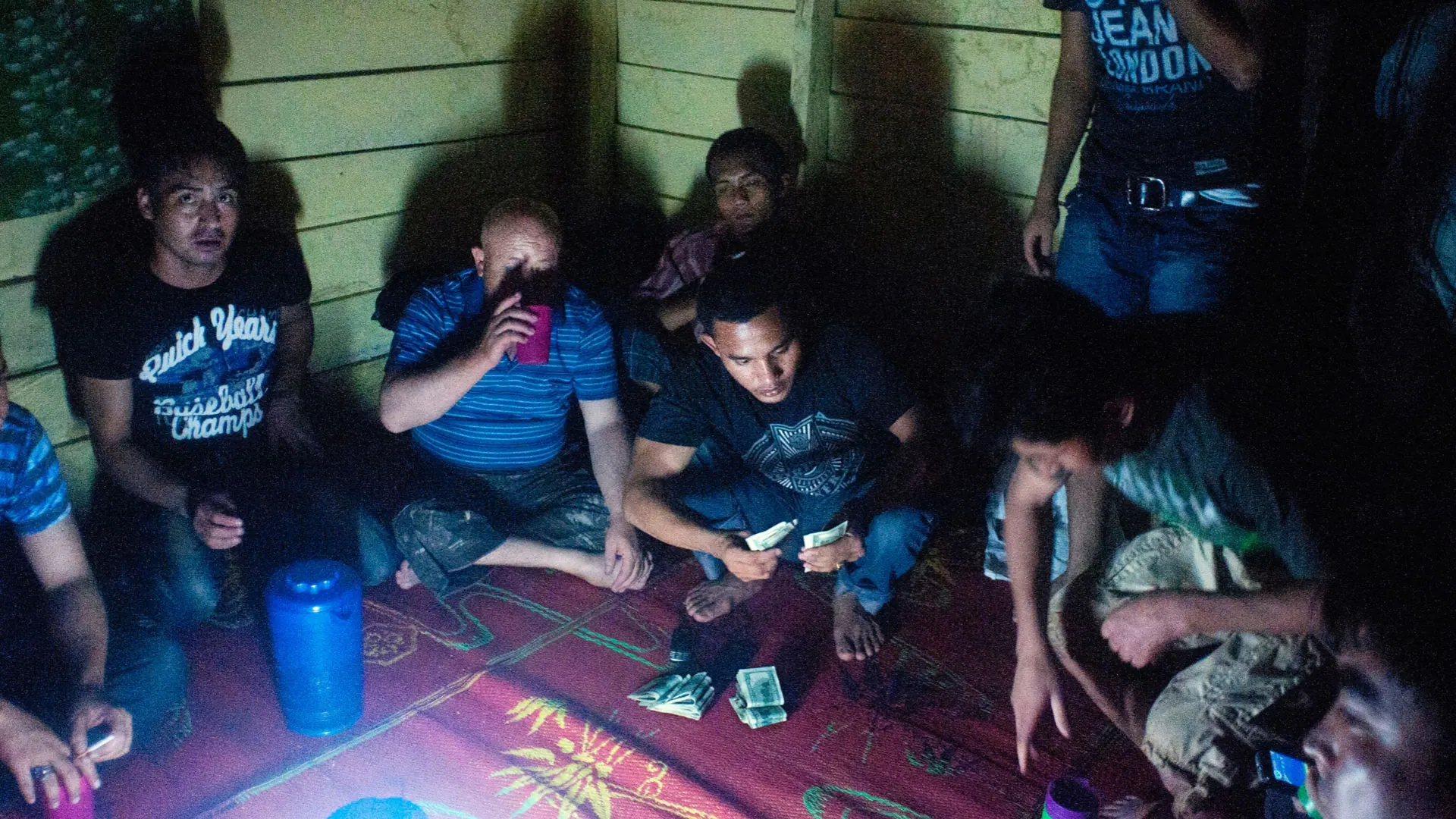
Men resting on a mat in a dark timber house in Sumatra, banknotes on the floor between them, 2012.
SumatraNext we were taken to Sumatra, Indonesia, where we rested for a few hours in this house before being crammed into a car for a 21-hour nonstop ride with the windows kept locked. We were taken to an airport, where one of our smugglers had arranged boarding passes for us to get to Jakarta. The total cost of the trip from Kuala Lumpur to Jakarta was $2500.See the photograph
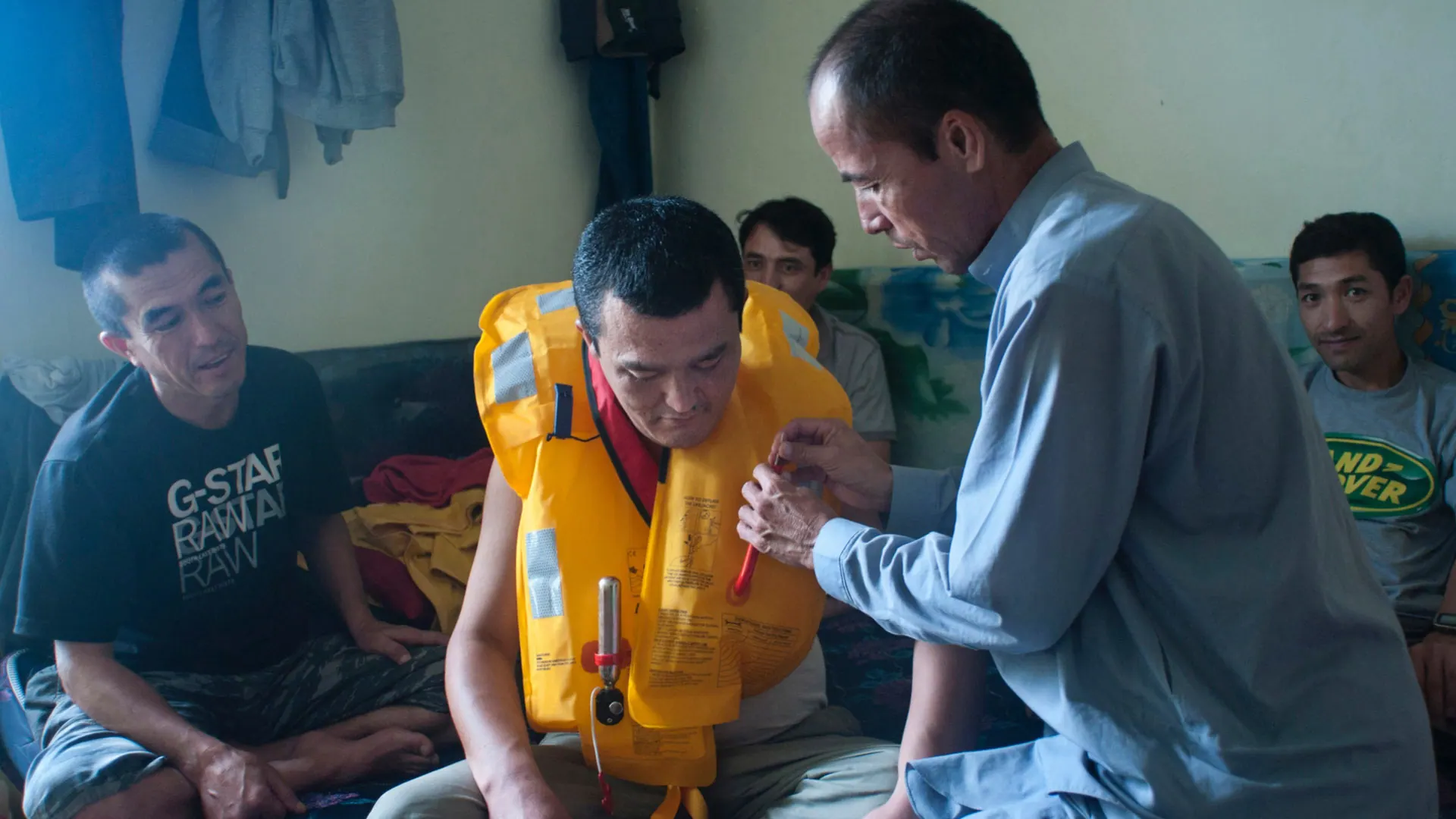
A man tries on a yellow life jacket in a crowded room while another adjusts the straps, Indonesia, 2012.
BogorIt’s common for smugglers to make false promises, about how clean and spacious the boats are, how there’s bottled water and great life jackets. So asylum seekers that eventually make it will call back home to warn their friends and family: Be prepared, because there’s nothing on the boat. In anticipation, my friend Ali paid $120 for an upgraded life jacket. I bought one too.See the photograph
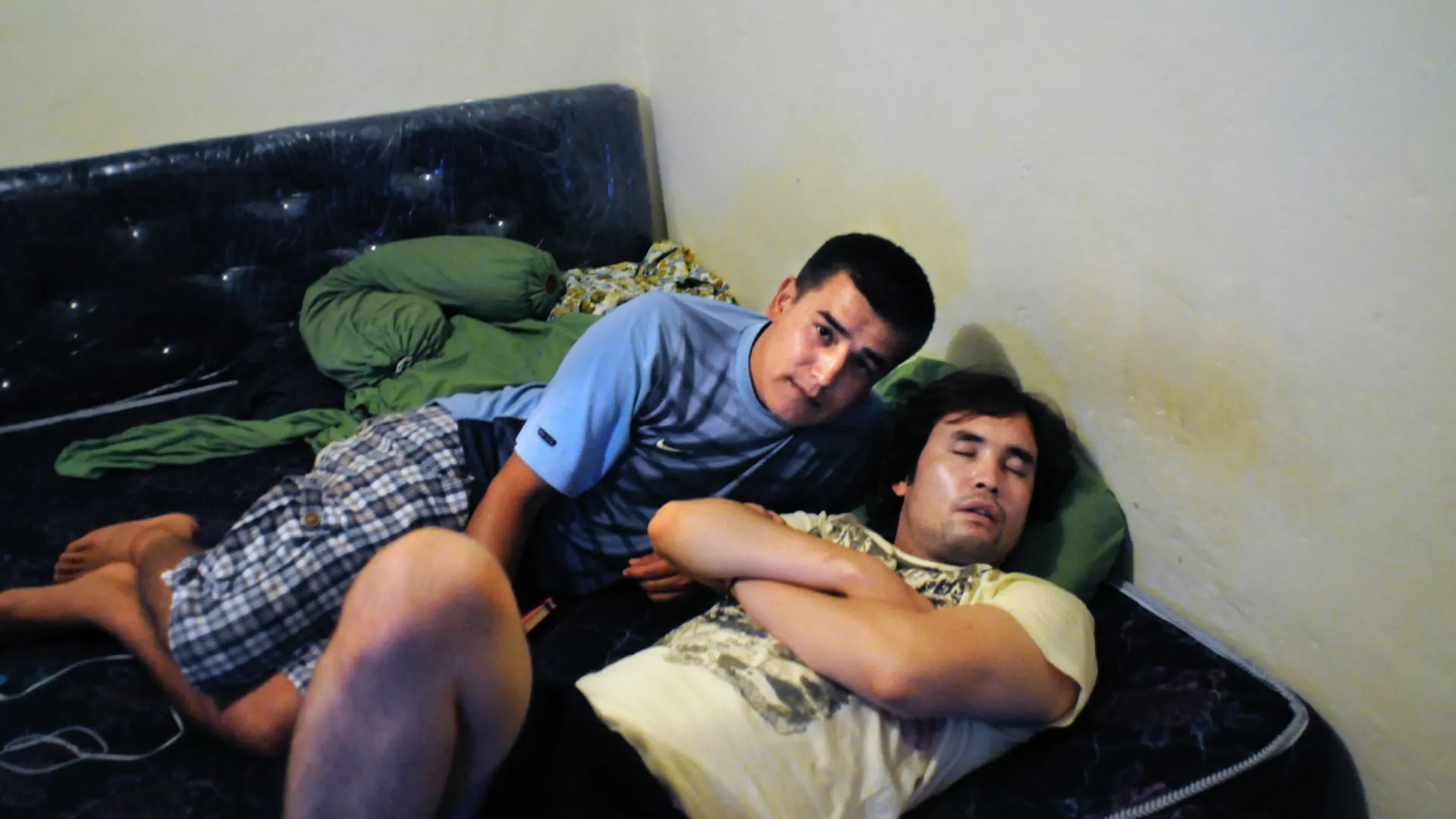
Two young men on a mattress in the villa at Bogor, one awake and one asleep, 2012.
BogorIn Bogor, a town outside Jakarta, we stayed in a villa friendly to asylum seekers, where I met Jafar, pictured here with me, sleeping. About a week into my stay, he and my other two roommates (one of whom took this picture) were preparing to leave on their voyage, and they asked if I wanted to leave early and join them. I almost went, but decided to wait. It was my fate: Their boat sank, and only Jafar lived. I was shocked and terrified about what would happen to me.See the photograph
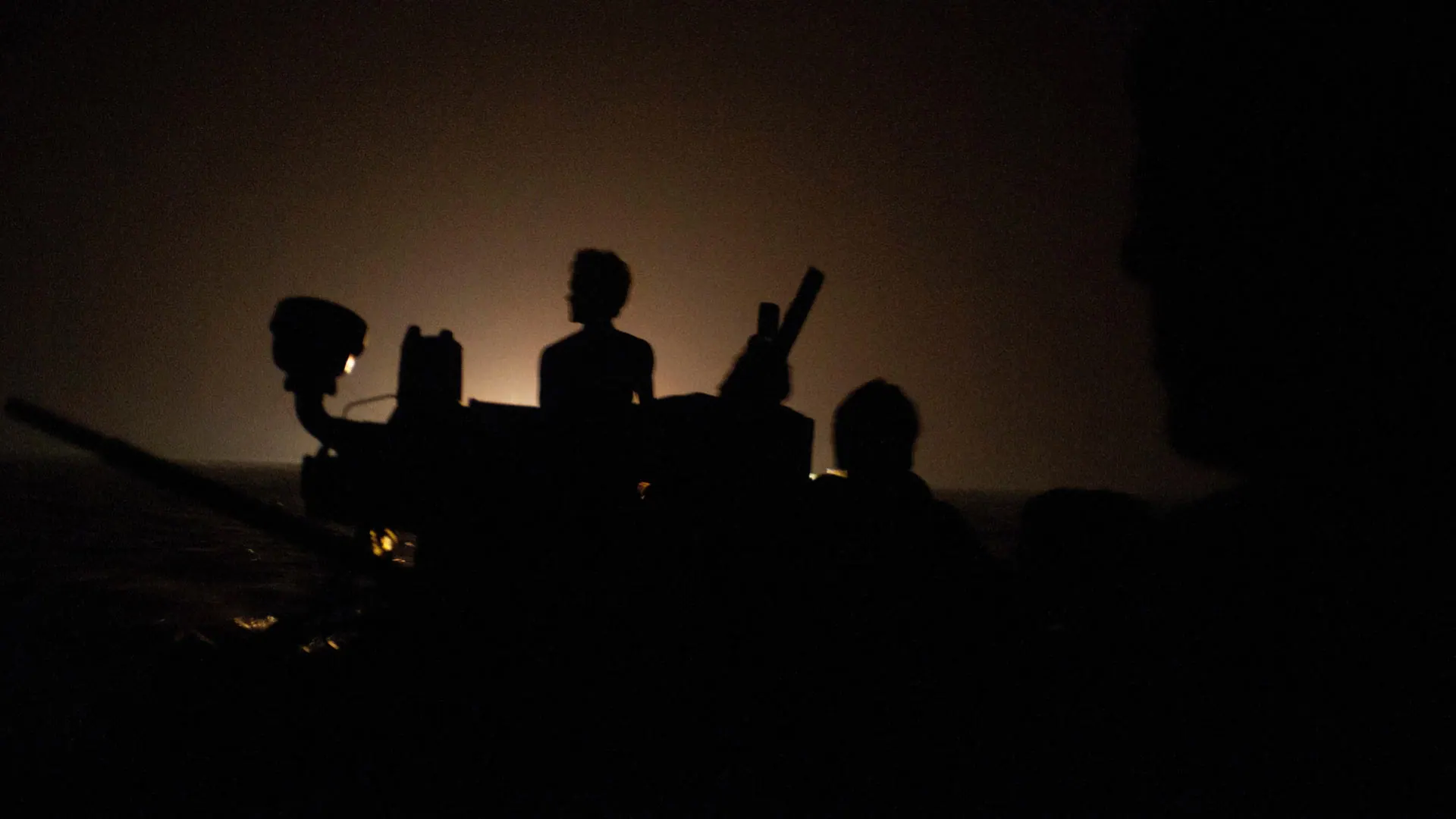
Silhouettes of people boarding a small boat at night, lit only by a distant orange glow, 2012.
Out to the boat, at nightThe night we got the call that our boat was ready, we were shepherded onto a small speed boat that was to take us to a larger fishing boat anchored at sea. We got lost, it took more than an hour to find the fishing boat, which was already crowded. The other 92 passengers and I hoped we would make it to Christmas Island, Australia, where we would wait to have our refugee status assessed. The cost to get there was $6000.See the photograph
Men look up through an open hatch from below the deck of a wooden fishing boat at sea, others standing above, 2012.
The Indian OceanThe boat was tiny for how many of us there were. We had to hide below deck to avoid being seen and take shifts to get fresh air. Underneath the deck, the all-male passengers were mostly praying. I didn’t have time to pray, I just took photos.See the photograph
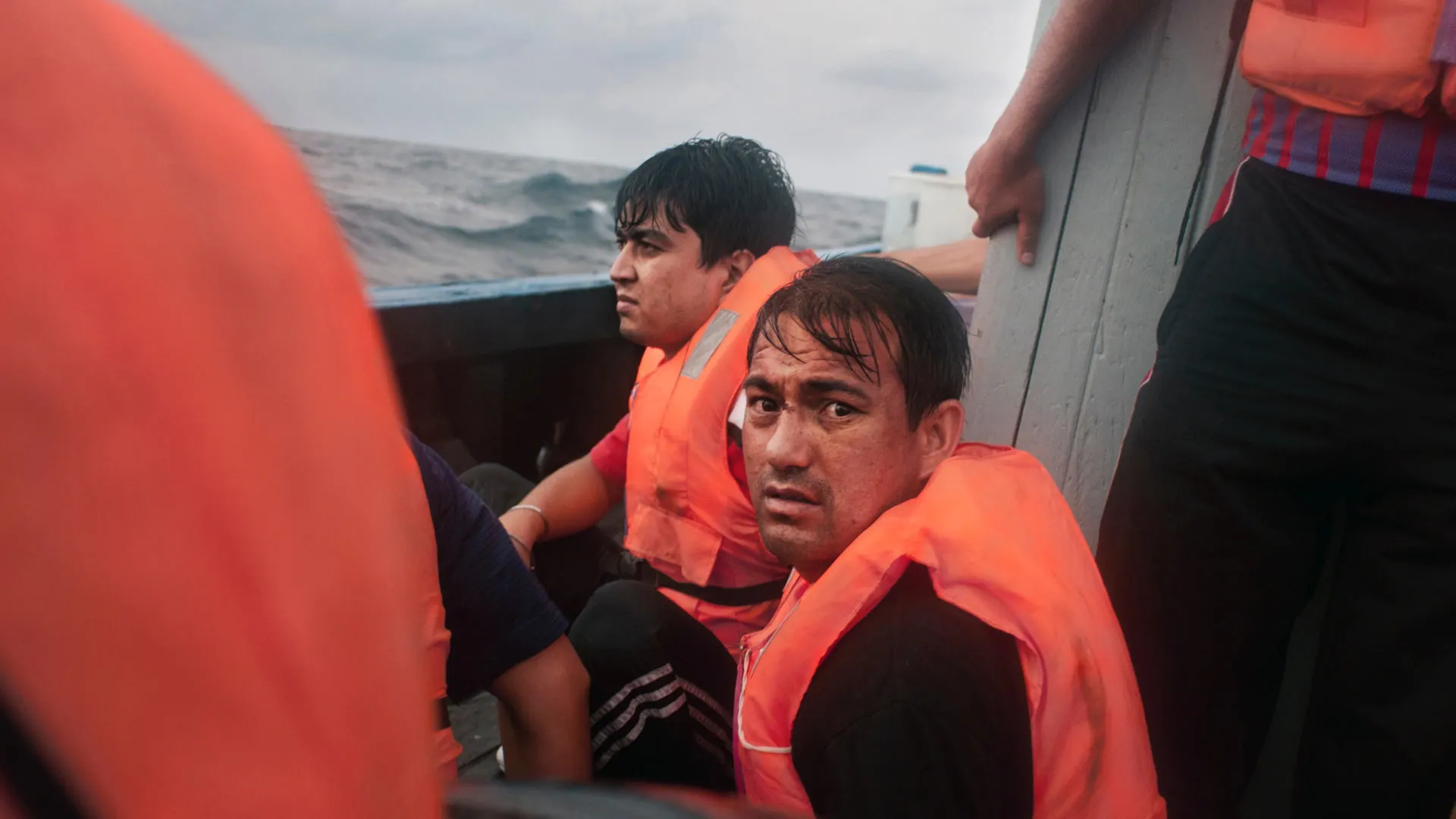
Two men in orange life jackets aboard the boat in rough grey seas, 2012.
The Indian Ocean, the second nightBy the second night of the voyage, the weather turned. People were crying, praying, recalling their loved ones. As water poured into the boat, we all lost hope. We thought it was really the end. I thought about how I had given my life for nothing, that if I had another chance to live I wouldn’t have taken the boat. We were watching our deaths.See the photograph
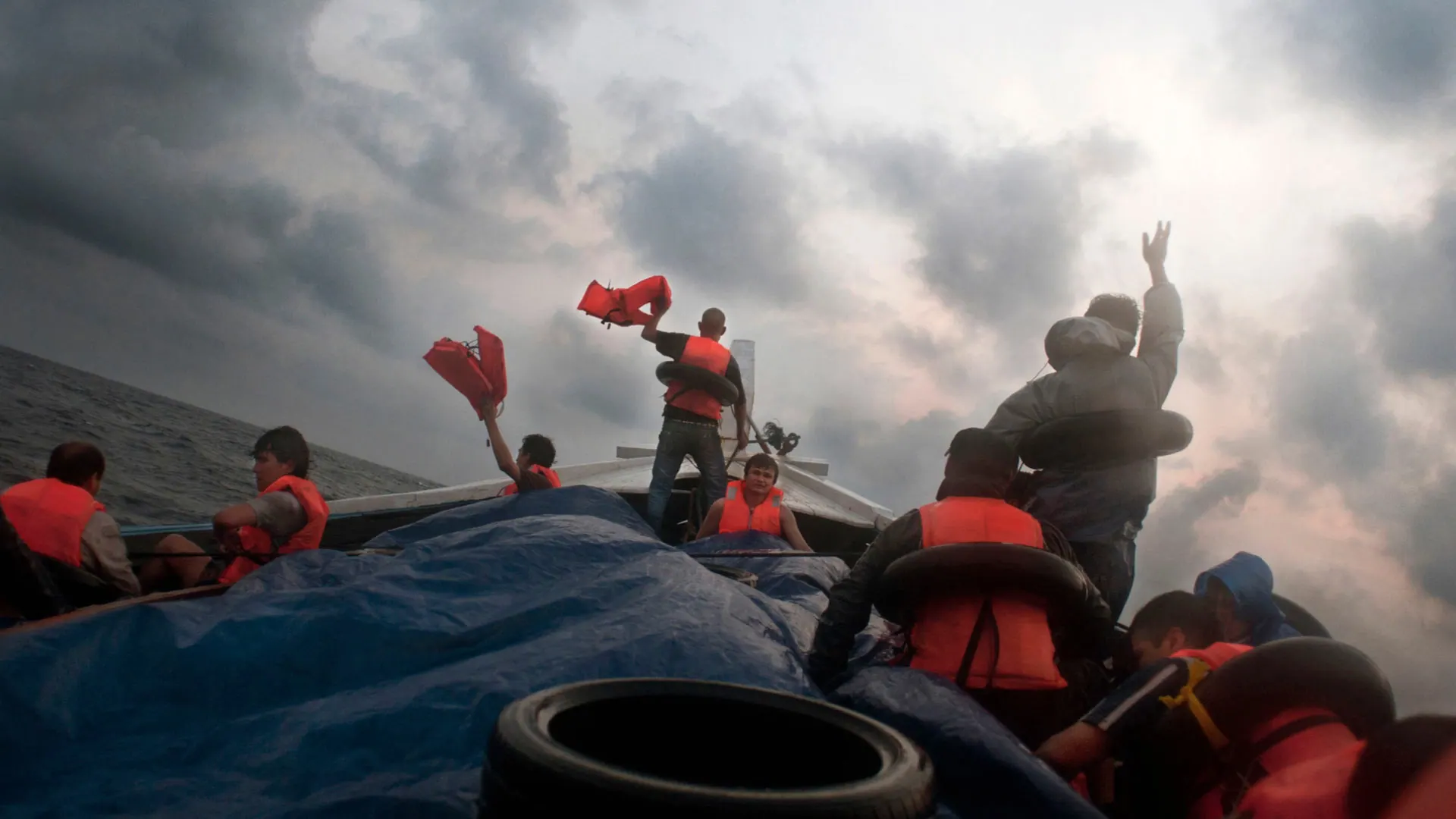
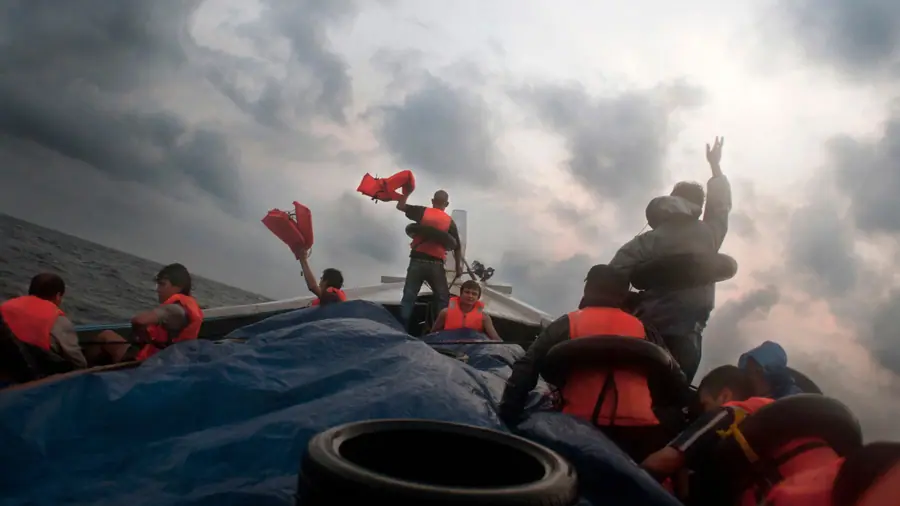
People on the boat waving red life jackets at a stormy sky to attract a passing ship, Indian Ocean, 2012.
The Indian Ocean, turning backThe captain announced we would have to turn back, and we climbed on deck and waved our jackets to attract attention from anyone passing by. Asylum seekers who had gone before us had warned us that if a boat got into trouble the crew might try to escape with makeshift rafts, so we assigned men to keep guard over them. All our fears of getting caught by the police were gone, in fact that would have helped us. We just wanted to survive.See the photograph
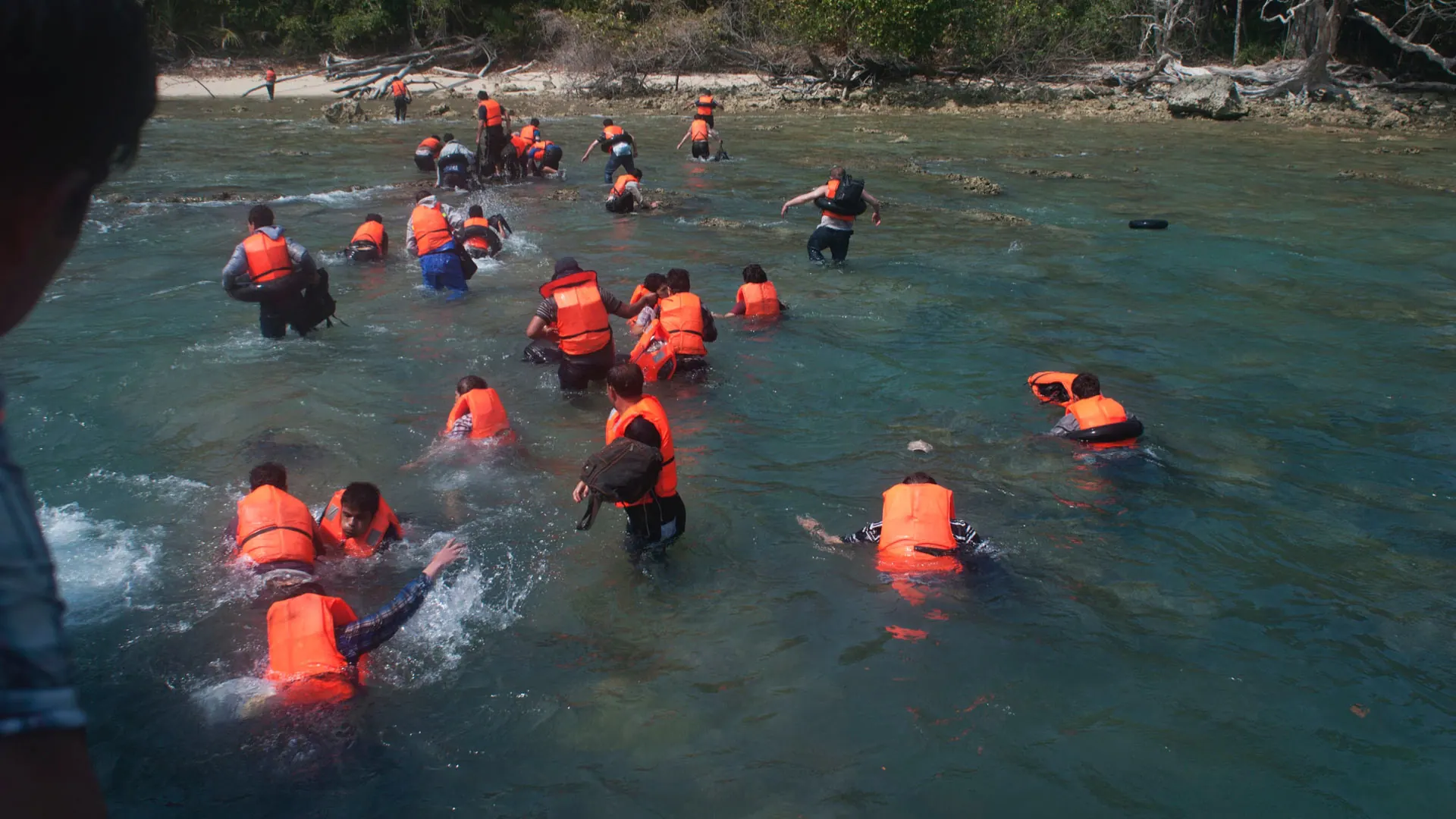
People in orange life jackets wading ashore through shallow water towards the jungle at Ujung Kulon, 2012.
Ujung KulonIn the end, the crew didn’t abandon us and got everyone to safety. We all made it to the coast of Ujung Kulon, a remote peninsula at the extreme western end of Java, our boat crashing onto the rocks. Here you can see people running into the jungle to avoid being captured by local police. I slipped into the water and destroyed my camera. Thankfully, my memory card survived.See the photograph

Kabul to Melbourne, by land and sea

EquatorTropic of CapricornQuettaborn 1983Kabul2007 to 2012Bamyan2005BangkokSeptember 2012Kuala Lumpurhouse arrest, three nightsBogorwaiting for the boatUjung Kulonthe wreckDarwin2013, UNHCRMelbournehome

Dashed legs were flown. Solid legs were by road, ferry and fishing boat.

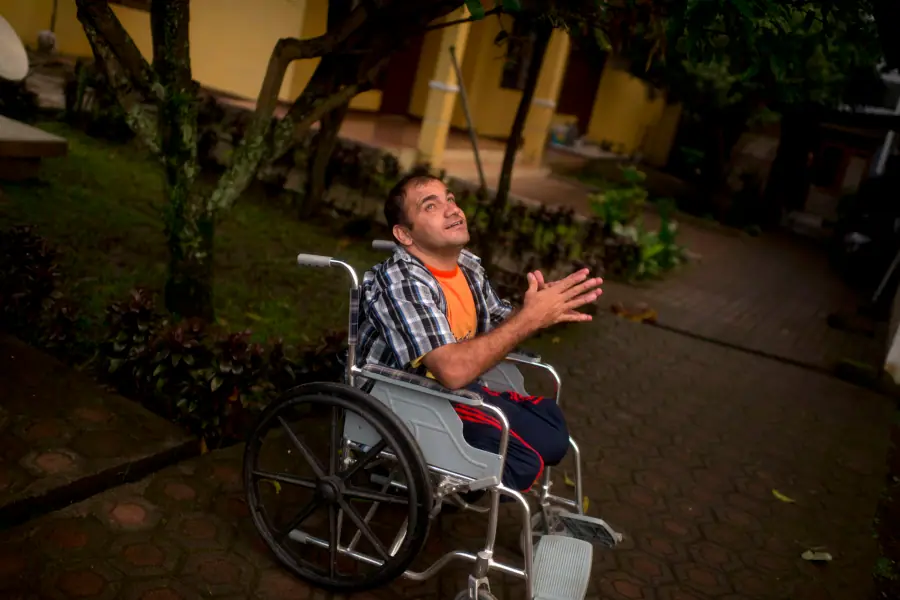
Born in Quetta to parents who had fled Afghanistan, he went back after 2001 and picked up a camera in 2002. Ten years in Bamyan and Kabul followed, and one series that made staying impossible.

In September 2012 he left with 92 others on a fishing boat that broke on the rocks of Ujung Kulon. He photographed the whole way. UNHCR brought him to Darwin in 2013. Melbourne is home.

The story
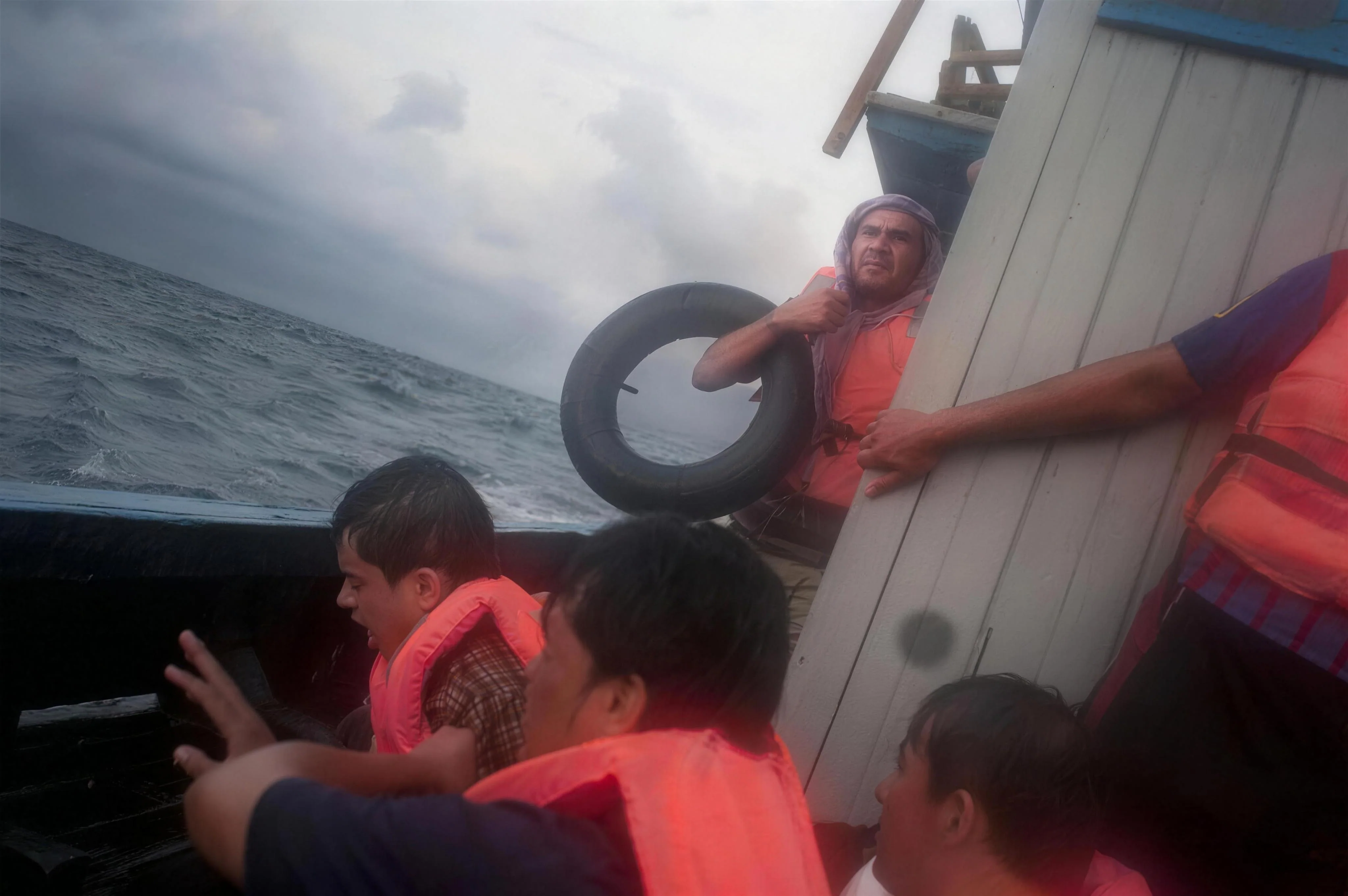
On the deck in heavy sea, a man holding a tyre tube and others in life jackets. From Seeking Asylum, 2012.

Now

My Refugee Journey

Feature documentary, 85 minutes. Two filming blocks complete. Editing began in mid 2026. Completion March 2027.

Follow the film

Directed by Kasimir Burgess and Barat Ali Batoor.

Where the work has hung.

  1. Searching for Sanctuary: A journey of survival

    Keith Murdoch Gallery, State Library Victoria, Melbourne. 1 June 2024 to 30 January 2025.

  2. Afghanistan: Photography by Barat Ali Batoor

    Western Australian Museum, Perth. 26 July 2014 to 18 January 2015.

  3. Heartlands 2014

    Footscray Community Arts Centre, Melbourne. From 12 June 2014.

Stay close to the work

One email when something matters: a screening, an exhibition, a talk. Choose what you want to hear about, and in which language.

I want to hear about
Preferred language
No newsletters more than twice a month. Unsubscribe in one click.